Featuring Kit FC Porto, Jersey FC Porto 2025, and Shirt FC Porto 2024/2025
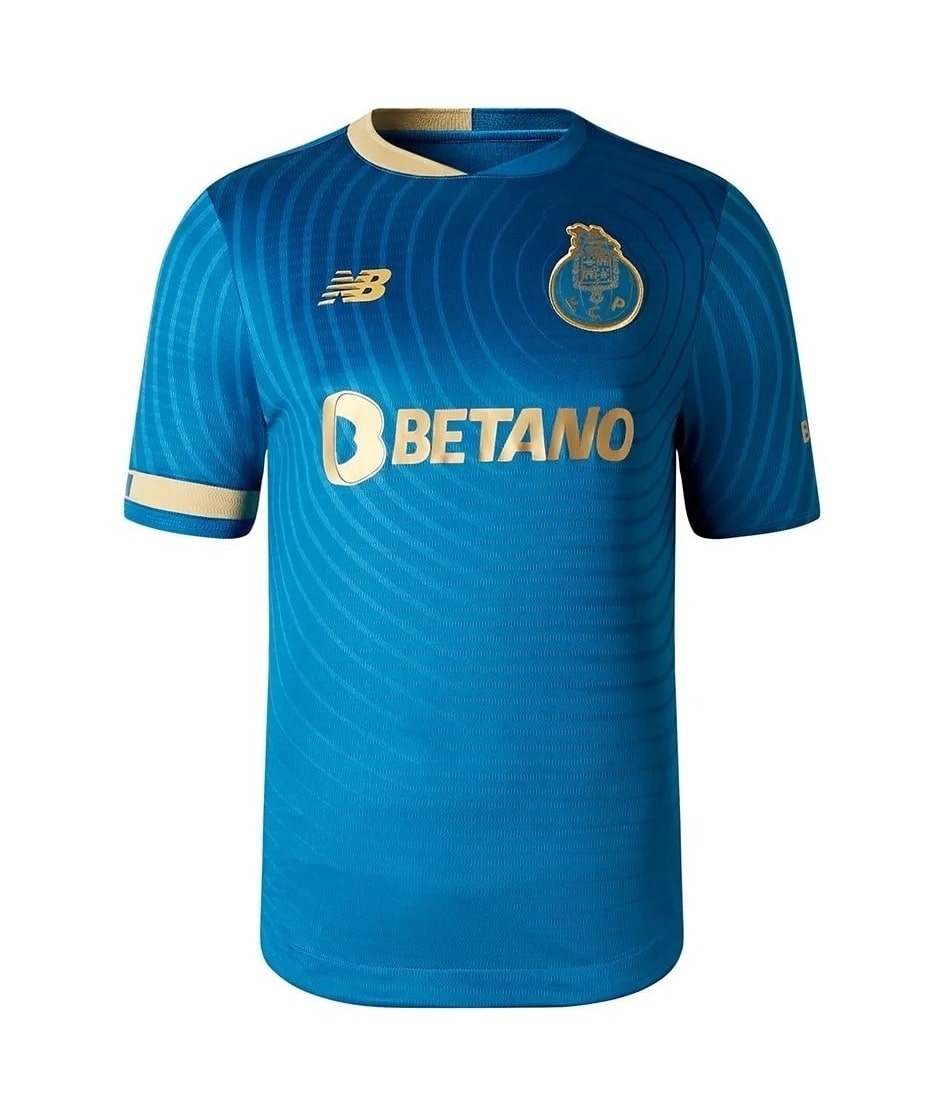
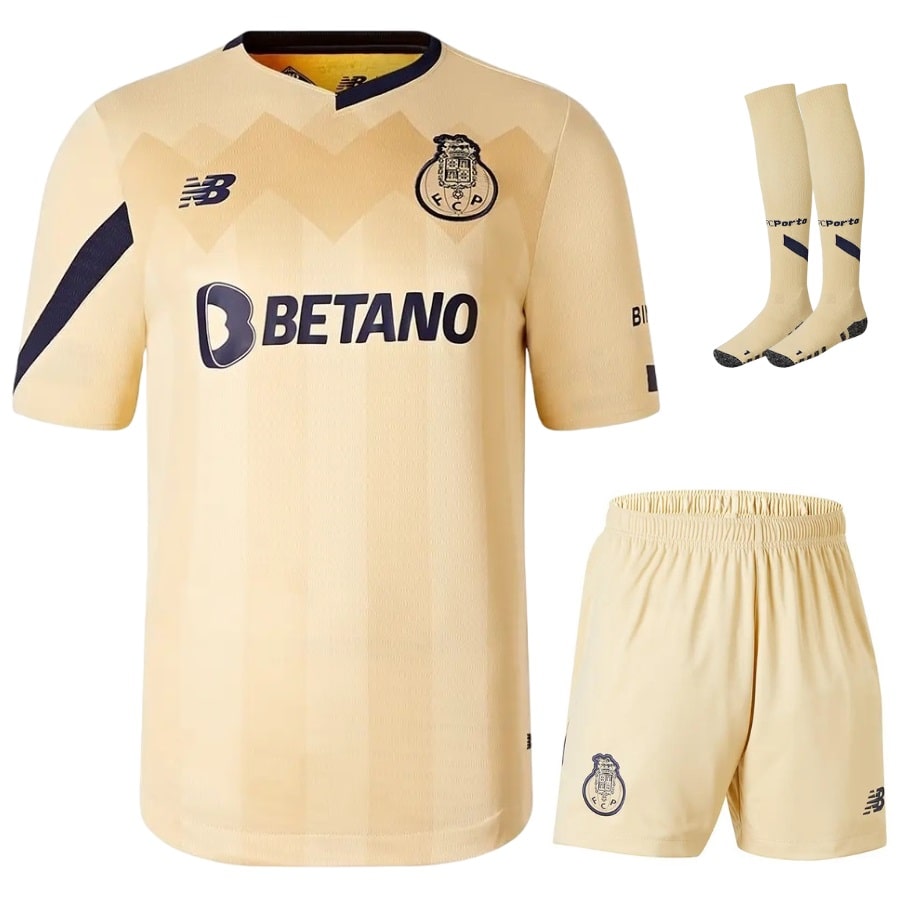
Football jerseys have changed significantly over the years, reflecting technological advances, fashion, and fan culture. From simple cotton shirts high-tech ones designed for optimal performance, the evolution of football uniforms reflects the growing popularity of the sport as well as its technological advancement. This trip through time shows the way iconic designs such as the Kit FC Porto, Jersey FC Porto 2025 and The Shirt FC Porto 2024/2025 showcase the rich heritage and innovative spirit behind football apparel.
The Early Days: Function Over Style (1900s-1930s)
In the early 20th century, football shirts were fundamental, focusing purely on functionality. Made of cotton heavy, these shirts were designed to withstand the rigors of football instead of providing comfort.
- Designs Colors that are solid or simple patterns, usually representing the identity of a club or region.
- Material: Strong and thick but not breathable, which leads to discomfort during matches.
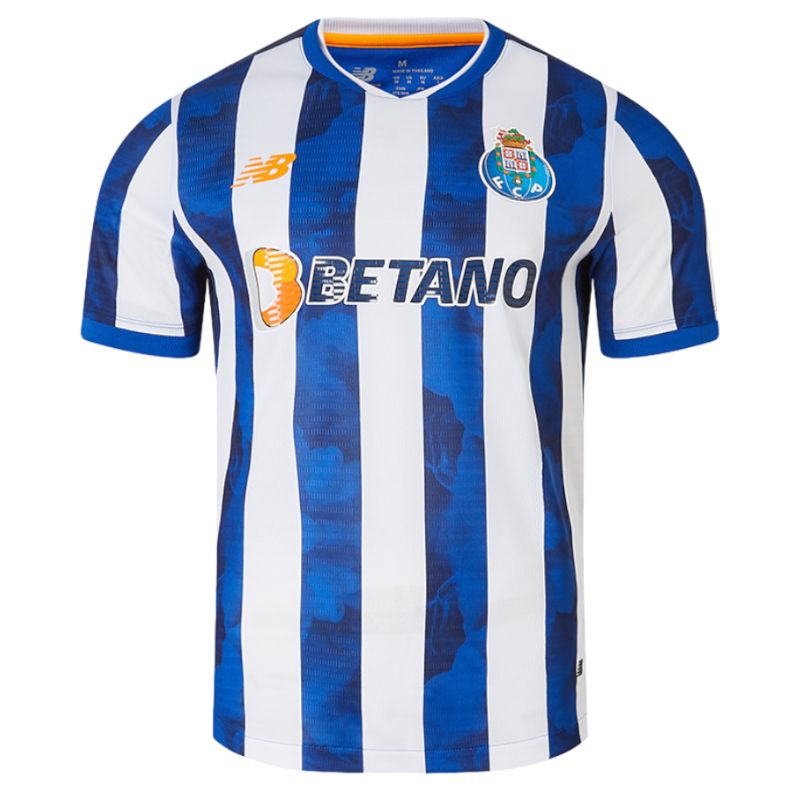
- Example: Early FC Porto kits featured blue stripes and white, a tradition that has been a staple of their distinctiveness.
The Mid-Century Shift: Simplicity Meets Identity (1940s-1960s)
As football's popularity increased in the 1990s, football jerseys became lighter more comfortable, thanks to the development and use of fabrics made from synthetic. Clubs began focusing on visual personalization through their jerseys.
- Concepts: Striped or pattern-printed shirts became widespread, giving a sense of individuality to teams.
- The most important innovation Introduced embossed club badges, which creates a sense of pride for players and supporters alike.
- FC Porto's Impact: The club's white and blue stripes style became more refined over this time period, which affirmed its status as a recognized and timeless design.
The Golden Age of Sponsorship (1970s-1980s)
The 1970s and 1980s witnessed the rise of commercial sponsorships in football, which revolutionized the design of jerseys. The era of the kit became the canvas for branding, connecting business and sport.
- Sponsorships Brand names began to be prominently featured creating a more complex look to jersey designs.
- Fabric Innovations Fabric Innovations: Lightweight polyester replaces cotton, enhancing breathability and the comfort.
- FC Porto's Kits This period saw the club integrate sponsors' logos in its traditional white and blue design, a significant step in modernizing their appearance.
The Rise of Technology and Customization (1990s)
The 1990s witnessed a rapid improvement in jersey technology equipped with performance-oriented kits. Experimental, bold designs became a hallmark of this decade.
- Style Trends: Vibrant colors, geometric patterns, as well as oversized logos set the tone for the decade.
- Technology Jerseys now have sweat-wicking and improved elasticity.
- The Memorable Timeline: FC Porto's 1990s kits were blended with tradition and bold experimentation, maintaining their iconic stripes and incorporating dynamic patterns.
The Modern Era: Precision Meets Style (2000s-Present)
Today, soccer jerseys turned into high-tech garments, designed not just for aesthetics but also to enhance performance in athletics.
- High Performance Features lightweight fabrics, breathable and breathable, laser cut ventilation, and compression fittings have become standard.
- Sustainability Modern kit designs often utilize recycled materials, which reflect growing environmental awareness.
- Customization Customers can now customize their jerseys with names and numbers which makes them more memorable than ever before.
- FC Porto Today: The Jersey FC Porto 2025 symbolizes this era through its distinctive design and high-end technology in the fabric, and the Shirt FC Porto 2024/2025 offers the fans a chic and comfortable means to show their support.
The Future: What to Expect
When we look ahead, football jerseys will likely keep evolving in shape and function.
- enhanced performance: Smart fabrics with built-in sensors can track players biometrics in real time.
- Dynamic Design: Augmented reality (AR) features may allow fans to unlock exclusive content by scanning the jersey patterns.
- The Sustainability Goals Clubs like FC Porto will likely continue to promote eco-friendly materials for example, in programs that will be linked to their forthcoming kits.
The Legacy of FC Porto
The FC Porto jerseys show the balance between innovation and tradition.
- Kit FC Porto: The iconic blue and white stripes remain a testament to Porto's legacy as a club.
- Jersey FC Porto 2025 The upcoming design is expected to include innovative materials while keeping the club's history.
- Shirt FC Porto 2024/2025: Aimed at fans, it is stylish and comfortable, creating a swathe of options to your wardrobe.
Shop Now: Kit FC Porto
Conclusion
From their humble beginnings as plain cotton shirts, to today's technologically modernized football uniforms, football jerseys have gone through a transformation. Teams like FC Porto have stayed at the forefront of this development with designs that connect with fans across generations. You can be a collector, an athlete, or dedicated fan, football jerseys remain a powerful reminder of football's rich history and bright future. Take pride in your jersey - it's more than just fabric; it's part of the sport's long-lasting legacy.